
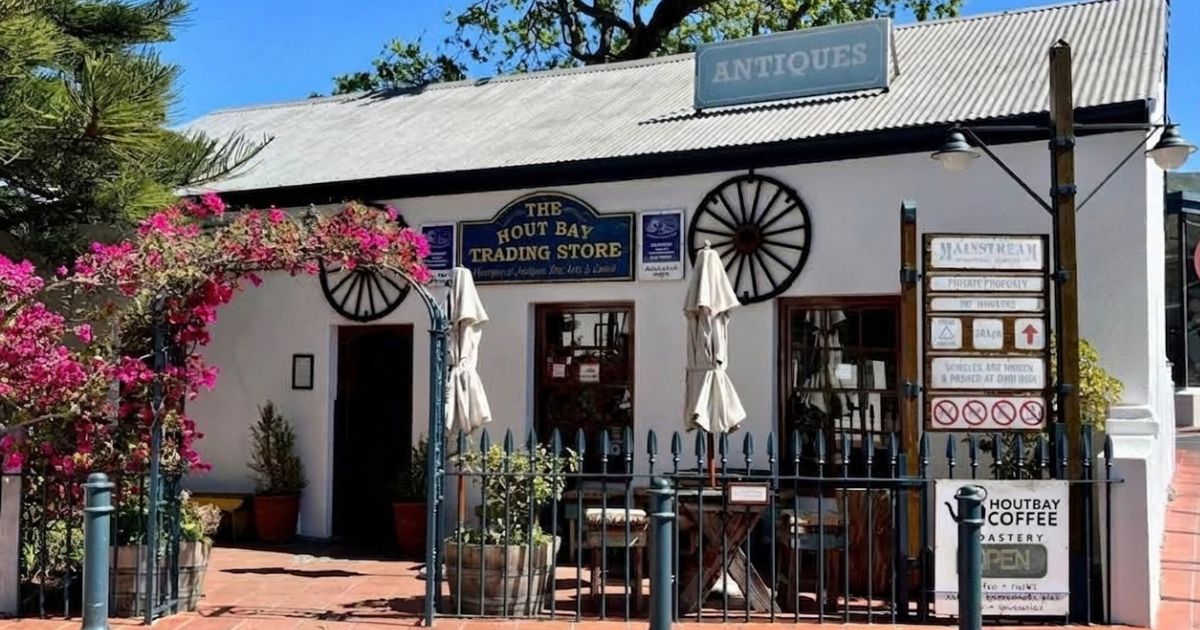
Hout Bay locals know the towering Norfolk pine at the entrance to Mainstream Mall and the charming cottage at its base, home to the Hout Bay Trading Store. What many don’t know is the fascinating history they share.
In 1892, Simon Dorman left Lithuania to escape poverty, arriving at the Cape determined to build a better life for his family. First, though, he needed to earn a living. He began as a hawker, buying goods from merchants in Cape Town and selling them wherever he could, and soon realised that the real opportunity lay far from the city. Families on remote farms could go weeks without seeing a shop, so Simon took his goods to them, covering long distances between farmsteads and often sleeping under the stars.
The work was hard and often lonely, but it paid off. Once he was confident that coming to South Africa had been the right decision, Simon sent for his son Barney, then about 14, and from then on father and son travelled the country roads together.
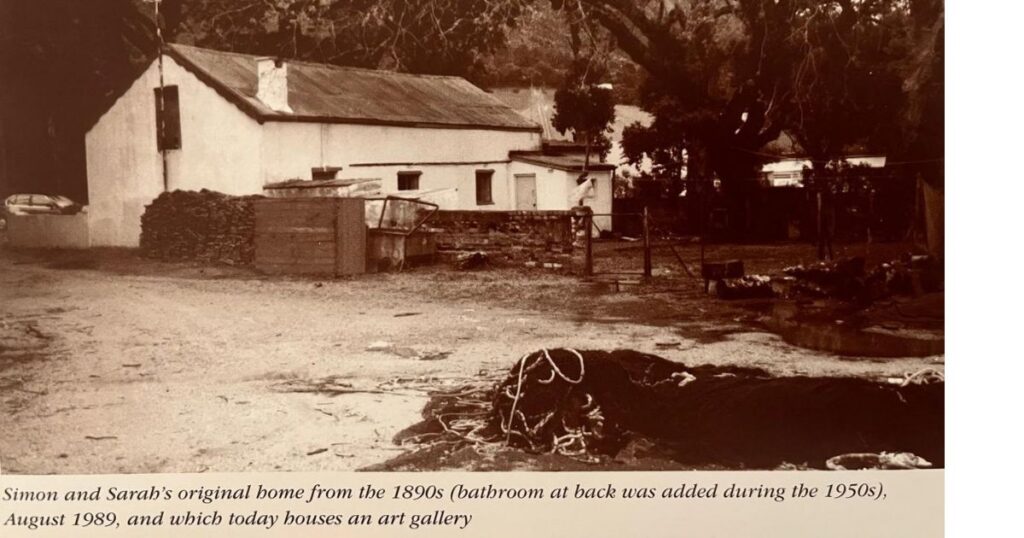
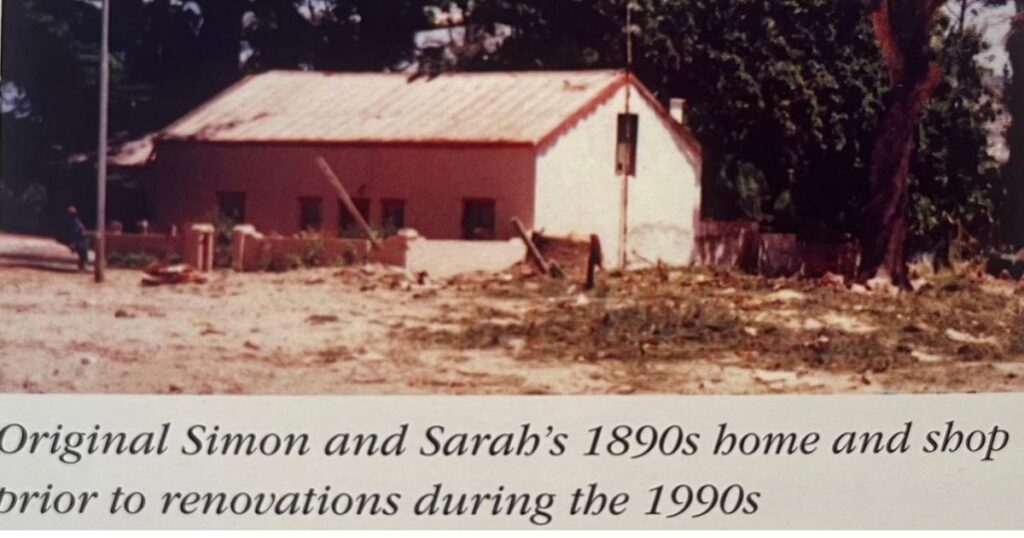
Hout Bay’s First General Dealer Shop
Over time, Hout Bay drew Simon in. His rounds had earned him the trust of the local fishermen and farmers, and the village itself was changing. The newly opened Victoria Road brought visitors over the mountain and made it easier to move goods in and out. Simon began to consider whether he and Barney might do better behind a shop counter than from the back of a cart.
In January 1896, he bought about five morgen of the original Kronendal farm from William Trautman for £425. It was a considerable sum at the time, particularly for a man who had arrived at the Cape with almost nothing only four years earlier. The land ran along the Main Road, bordered on the south by the Baviaanskloof stream, and on it stood a small white-painted cottage among large milkwood trees. After the tiny wooden house Simon and Barney had left behind in Lithuania, it must have seemed spacious.
That same year, Simon opened Dorman & Son in the cottage, and it became Hout Bay’s first general dealer shop. The family lived under the same roof. The stream supplied water for the house and for a vegetable garden behind it, which Barney tended. He sold its fruit and vegetables to passers-by on the Main Road and to the nearby Pearson’s Hotel, also known as the Royal Hotel, which still stands today as the Hout Bay Manor Hotel.
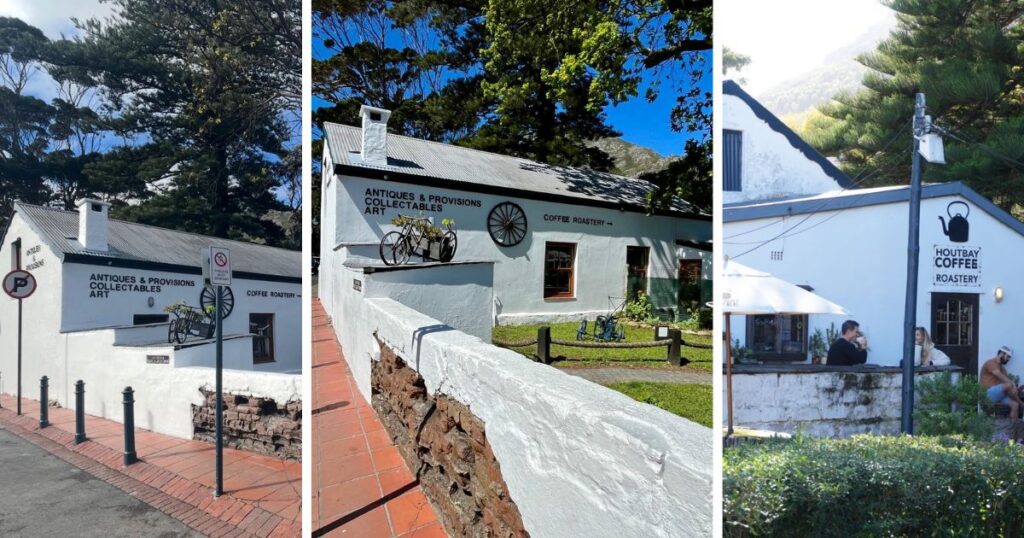
The Norfolk Pine at Mainstream Mall
In 1898, after years apart, Simon’s wife Sarah finally joined him from Lithuania. Soon after her arrival, she is said to have planted a young Norfolk pine beside the cottage. She was half a world away from home, and it is easy to imagine what that small act meant to her: a sign that the family was here to stay.
Nearly 130 years later, the tree towers over the Main Road entrance to Mainstream Mall. It has watched the village grow into a busy suburb and horse carts give way to cars. It remains a living connection to the family’s first years in Hout Bay.
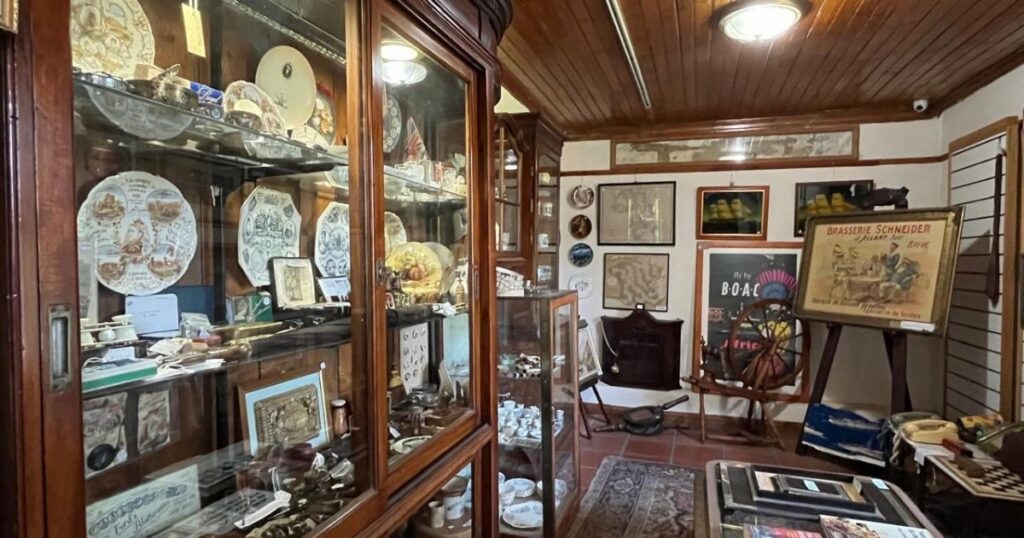
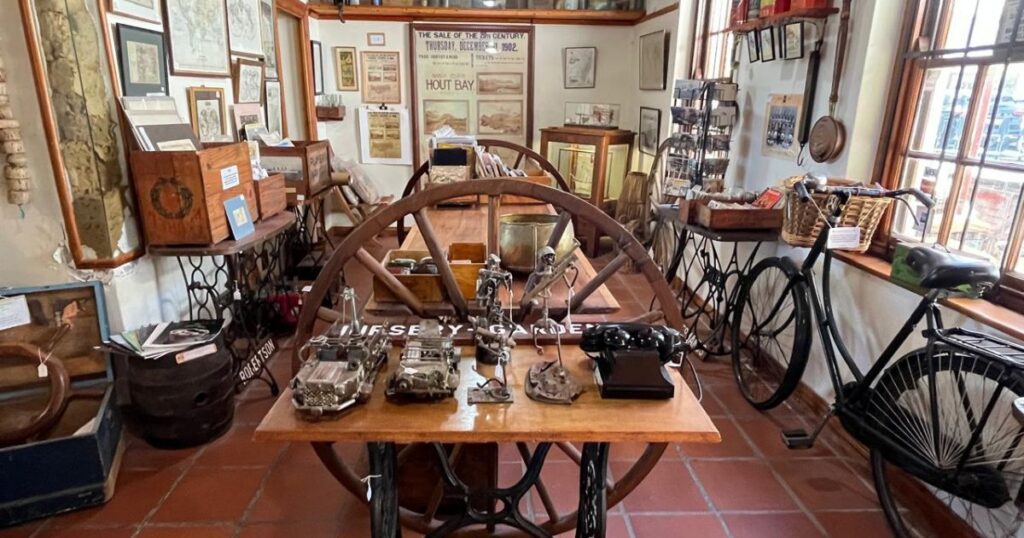
Inside the Hout Bay Trading Store Today
The cottage has endured too. If you have driven along Mainstream Avenue between The Passageway and Fisherman’s World, you may have noticed a patch of bare brick on one of its walls. When the Main Road cottages were restored in the 1980s, builders deliberately left sections of their walls unplastered so the original bricks could still be seen. Those bricks were made by hand from Hout Bay clay more than a century ago.
Today the cottage houses the Hout Bay Trading Store, and it remains a place of trade, although the flour and paraffin have long since given way to pieces of history. Early postcards show Hout Bay as it once was, alongside shipping-line cards from the mailship era. The shelves also hold maps, posters, bone china and Royal Doulton ornaments, while collectors can hunt for stamps, first day covers, matchboxes and teaspoons.
The building’s own history is on display as well. Look out for the old English church pews, antique saws and farm tools, and vintage kitchenware and household products from decades past.
Next time you pass the Norfolk pine, take a few minutes to step inside the cottage at its base. The postcards, maps and old photographs will hold your attention far longer than you expect, and you will be standing where Hout Bay’s shopping story began.
Much of the history in this post is drawn from Embracing Hout Bay by Stanley Dorman. Richly illustrated, the book follows Hout Bay’s transformation from a timber outpost into the village we know today, through generations of farming, fishing and change. It’s essential reading for anyone curious about the people and industries that shaped the valley. Copies are available at The Hout Bay Trading Store, Ye Olde Artifact Cove & Antique Shoppe, The Collective at Fisherman’s World.